Browse custom home design
Browse custom home design
Blog Article
Pioneering Architect Designs: Transforming Spaces With Imagination
Innovative building concepts are reshaping city environments with a focus on practicality and environmental responsibility. Architects are incorporating smart technologies and eco-friendly materials to develop flexible environments. These designs emphasize community engagement, fostering human connection through shared areas and local cultural elements. This evolution prompts inquiry about the future of urban living and the role of architecture in enhancing individual well-being. What consequences do these innovations have for the broader community?
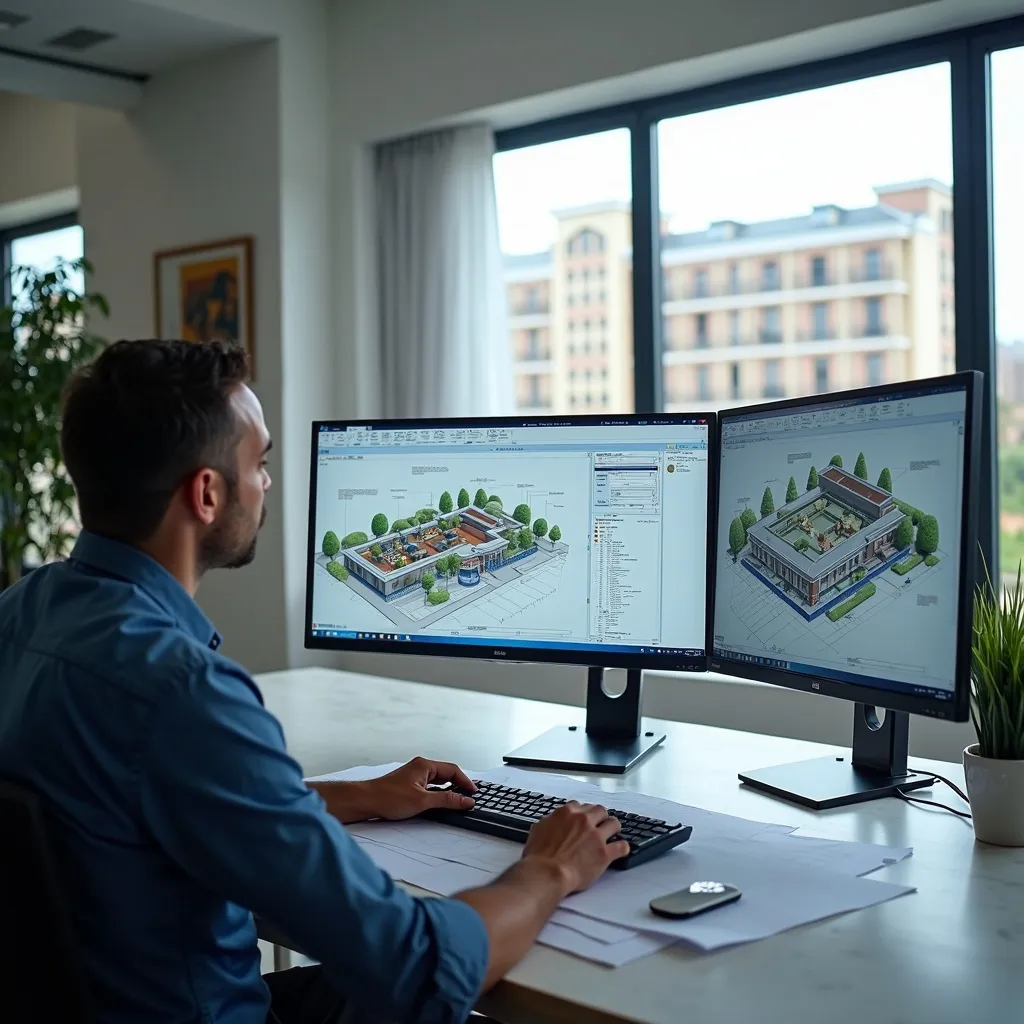
Architects and Their Role in Modern Architectural Practice
Architects shape the built environment, converting abstract ideas into tangible structures that reflect contemporary needs and values. Their role extends beyond mere aesthetics; they integrate functionality, safety, and sustainability into their designs. By analyzing societal trends and technological advancements, architects create spaces that promote community engagement and enhance user experience. They work with engineers, urban planners, and clients, ensuring that each project meets specific requirements while adhering to regulatory standards.
Modern design involves specialists to balance creativity with practicality, frequently exploring revolutionary designs and compounds that break new ground. Their work addresses diverse challenges, spanning urban density to ecological considerations, by creating responsive environments that respond to contemporary living standards. Operating as advocates for both end users and the natural surroundings, architects are pivotal in shaping the direction of city skylines, ensuring that structures not only fulfill present-day functions but also endure as valuable holdings for generations to come.
Environmental Materials in Architectural Composition
Sustainable materials constitute an important role in present-day design of buildings, affecting both visual appeal and usefulness. By embracing environment-friendly selections and leveraging recycled resources, architects can substantially lessen environmental impact. Advanced sustainability practices further improve these activities, establishing foundation for a more conscientious building approach.
Environmentally Responsible Fabric Selections
While traditional building materials often contribute to ecological harm, innovative architects increasingly prioritize sustainable alternatives that minimize environmental footprint. These materials, such as bamboo, reclaimed wood, and recycled metals, not only reduce greenhouse gas emissions but also enhance building efficiency. Architects are exploring bioplastics and rammed earth, which provide durability alongside environmental responsibility. Organic insulating substances, like sheep's wool and hemp, further boost energy conservation. Such choices also demonstrate a commitment to sustainable resource management, decreasing the need for virgin materials. By incorporating local materials, architects support regional economies and reduce transportation emissions. This shift towards sustainable building materials signifies a broader movement within the architectural community, stressing the importance of architecture that aligns with the environment.
Merits of Reclaimed Resources
The utilization of sustainable materials in architectural design offers considerable benefits that support eco-friendly principles. By utilizing materials like reclaimed wood, recycled metal, and repurposed glass, architects can minimize waste and lower the demand for virgin resources. This practice not only conserves natural materials but also minimizes energy consumption linked to manufacturing new products.
Furthermore, incorporating recycled resources can improve the aesthetic appeal of structures, offering unique textures and histories that new materials cannot replicate. Financially, these materials often come at a reduced price, allowing budget-friendly construction without sacrificing quality. Overall, the integration of recycled resources promotes environmental responsibility while promoting innovative design solutions that resonate with sustainable living ideals.
Forward-Thinking Environmental Systems
As builders increasingly emphasize sustainability, advanced sustainability practices have surfaced, showcasing substances that not only lower ecological footprints but also improve design versatility. Eco-friendly composites, salvaged timber, and bamboo are at the vanguard, offering aesthetic appeal while minimizing resource depletion. These materials can be used in a range of uses, from framework elements to finishes, allowing for unique architectural expressions. Additionally, the incorporation of green insulation and low-VOC paints encourages safer living spaces. The use of recycled metal and glass further exemplifies how sustainability can combine with modern design, allowing for striking visual elements without compromising ecological responsibility. Collectively, these practices not only transform construction methods but also set a precedent for future advancements in architectural sustainability.
Advanced Systems in Typical Areas
Smart technology is continuously establishing itself as a essential element in everyday spaces, furnishing users with heightened convenience and control. Via unified connection of devices, these systems accelerate daily tasks and substantially promote power optimization. This progression in design underscores a significant emphasis on purpose-driven design and ecological responsibility in modern architecture.
Frictionless Synchronization of Systems
Refining ordinary surroundings, visionary professionals are steadily weaving in smart technology to forge seamless integrations of devices. These schemes concentrate on interconnectivity, enabling home systems to communicate without resistance. For example, lighting, heating, and security devices can be supervised through a one control hub, promoting user convenience. Architects stress intuitive layouts, confirming that technology complements the visual presence of the space rather than shadowing it. Vocal command tools and connected equipment are tactfully positioned to amplify functionality while sustaining a unified character. This integration not only elevates usability but also reimagines the way individuals navigate their environments. As a result, spaces become more dynamic, addressing the dynamic needs of contemporary living while fostering an atmosphere of comfort and efficiency.
Advancing Energy Effectiveness
Embedding advanced technology into routine environments revolutionizes energy efficiency. Connected systems, such as intelligent thermostats and motion-sensing lighting, actively monitor and adjust energy usage, greatly cutting waste. These technologies allow architects to design buildings that respond intelligently to occupant needs, ensuring ideal comfort while curtailing energy consumption.
Utilizing sustainable power sources, such as solar panels, further enhances sustainability. Smart grids enable real-time energy management, empowering homeowners to monitor their energy consumption and adapt their practices. Additionally, low-consumption devices and eco-materials contribute to lessened environmental burden.
As architects incorporate these technologies, they create spaces that not only satisfy functional requirements but also promote ecological responsibility. The consequence is a fluid combination of aesthetics and efficiency, changing how occupants relate to their settings.
Why Biophilic Design Counts for Our Spaces?
Although many may minimize the importance of natural features in planning, nature-oriented design holds significant influence in enhancing human health within constructed settings. This model integrates nature into architectural forms, generating a sense of connection to the outdoor environment. By embracing elements such as ambient light, plant life, and natural materials, nature-integrated design promotes mental health and eases stress. Research indicates that exposure with nature can heighten focus, creativity, and overall productivity.
Additionally, biophilic design promotes a more sustainable strategy to architecture, as it emphasizes balance between constructed spaces and natural ecosystems. This design philosophy not only improves visual appeal but also supports ecological equilibrium by incorporating sustainable materials and energy-efficient practices. In the end, implementing biophilic design transforms spaces into healthier, more appealing environments, benefiting residents and the planet alike. As urbanization continues to expand, the importance of biophilic principles in architecture becomes increasingly vital.
Investigation of Pioneering Structural Concepts
As city environments change, creative building concepts surface, demonstrating the potential of creativity and sustainability. One notable case study is the Bosco Verticale in Milan, Italy, which features two residential towers adorned with over 9,000 trees and 20,000 plants. This vertical forest not only enhances biodiversity but also improves air quality and lowers energy usage.
One more instance is the Cactus Tower in Copenhagen, constructed to resemble a cactus with its protruding balconies that foster communal interaction. This design cultivates social connectivity while providing unique living spaces.
In Singapore, the Jewel Changi Airport highlights a magnificent indoor waterfall and lush greenery, blending nature with modern technology. This multipurpose space elevates traveler enjoyment and provides a public leisure area for the community.
These case studies exemplify how original construction concepts can synchronize functionality with ecological consciousness, reshaping urban spaces into flourishing, sustainable zones.
How Community-Engaged Design Enriches Urban Living?
Community-focused design greatly improves urban living by fostering social interaction and inclusivity. This method prioritizes the needs of communities, promoting the creation of shared spaces such as parks, plazas, and community centers. These environments serve as essential hubs where residents can gather, collaborate, and engage in recreational activities, thereby reinforcing social bonds.
Additionally, neighborhood-focused approaches commonly integrate place-based cultural features, mirroring the values and character of the locality. This cultivates a bond with place and boosts local pride among dwellers. Features such as walkable pathways and mixed-use developments enhance accessibility, making urban areas more navigable and accessible.
Additionally, this design philosophy often tackles affordability and sustainability concerns, guaranteeing that various communities can thrive in urban settings. By combining these components, community-centric architecture plays a significant role in creating dynamic, robust city spaces that improve the quality of life for all residents.
Upcoming Tendencies in Building Design
Emerging patterns in building design are increasingly influenced by technological advancements and environmental considerations. The incorporation of smart technologies is revolutionizing architectural layouts, allowing for improved energy efficiency and better user experiences. Architects are now leveraging AI and ML technologies to refine relevant resource layouts, forecast environmental impacts, and streamline construction processes.
Sustainability functions as a core focus, with architects stressing eco-friendly materials and renewable energy sources. Biophilic design is flourishing, as specialists employ natural elements to cultivate quality of life and connectivity to nature. Additionally, prefabricated modular systems are expanding, facilitating faster build times and value for money.
Furthermore, adaptive reuse is growing into a preferred approach, converting old structures into usable areas while maintaining cultural heritage. As cities evolve, architects are embracing inclusive designs that serve diverse populations, ensuring that urban environments are open and inviting for all. These trends signify a future where architecture balances technology, sustainability, and community.
Often Asked Frequently Questions
In What Ways Do Architects Accomplish Balance Between Inventiveness and Performance in Their Designs?
Architects blend creativity and practicality by integrating visual appeal with practical requirements. They consider user needs, environmental factors, and structural integrity, making sure designs are both visually appealing and usable, fostering harmony between form and purpose.
What Frequent Issues Do Forward-Thinking Architects Deal With In Today's World?
Innovative designers often encounter obstacles such as budget constraints, regulatory compliance, eco-friendly material procurement, and customer demands. Balancing creative expression with practical requirements and environmental impact further complicates their creative processes in today's evolving architectural landscape.
In What Ways Can Clients Effectively Share Their Concepts to Architects?
Clients can plainly share their perspective to architects by presenting clear objectives, illustrative samples, and detailed descriptions. Engaging in open dialogue warrants alignment, nurturing a collaborative environment that boosts understanding and supports the design process.
How Does Cultural Context Influence Architectural Design Choices?
Cultural context substantially impacts architectural design by shaping aesthetics, functionality, and symbolism. It informs materials, techniques, and spatial organization, guaranteeing that structures resonate with local traditions, values, and environmental conditions, ultimately enhancing community identity and relevance.
How do architects keep current with design trends and tools?
Architects remain abreast with design trends and technologies through lifelong learning, attending workshops, networking at industry events, obtaining specialty publications, and engaging with online platforms that showcase innovative ideas and emerging practices in architecture.
Report this page